

Precision Neuroscience
Brain-surface interfaces for restoring digital control and communication
A brain-computer interface implanted through a blood vessel
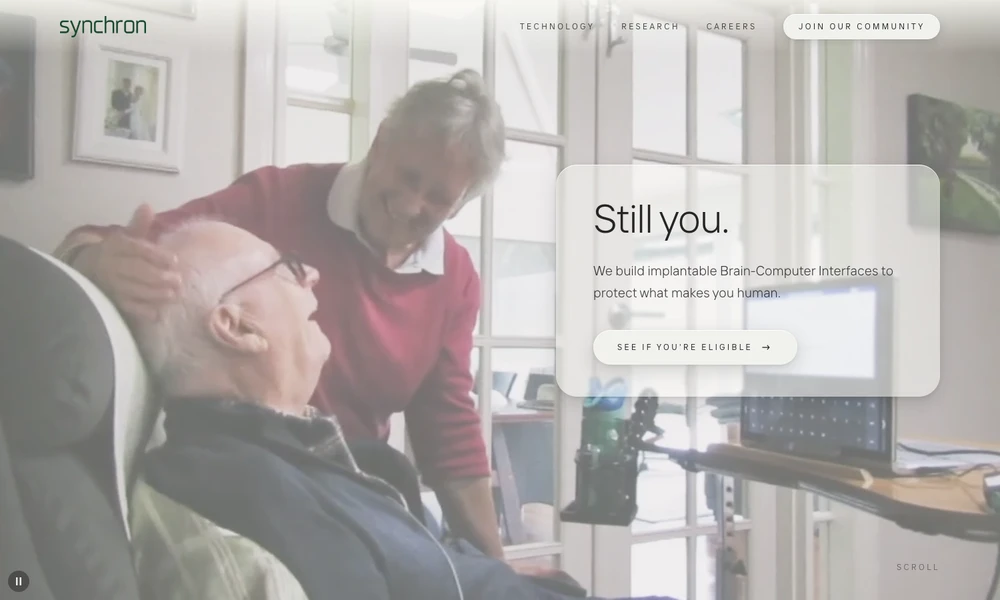
Synchron develops implantable brain-computer interfaces for people with severe motor impairment. Its Stentrode is a small electrode array mounted on a stent-like device, delivered through the jugular vein into a blood vessel in the brain. This approach records neural activity without requiring open brain surgery. The system interprets signals associated with intended movement and turns them into commands for digital devices, with research exploring activities such as typing, messaging, web browsing, and shopping.
The technology is being assessed in clinical studies in the United States and Australia, including work on accessing Apple devices through brain signals. Its aim is to give people living with paralysis another way to communicate and manage everyday digital tasks. Synchron remains an investigational system: clinical benefit has not been validated, and it is not approved for commercial use in any geography.
Tried it? Share a useful thought or ask a question.
Good conversations start with a hello.
Sign in to commentBrain-surface interfaces for restoring digital control and communication
Implantable brain-computer interfaces for restoring communication
Speech recognition designed for people with non-standard speech
Customizable symbol-based communication for people who cannot rely on speech
Live captions for in-person conversations and video meetings
Live call captions and typed replies for accessible phone conversations